TL;DR: The Ultimate Guide to Engineered Wood Finishes and Maintenance
- Lacquered Finishes: Behave like a protective plastic sheet over the wood. They offer the easiest daily maintenance (highly resistant to liquid spills and surface dirt) but the hardest long-term maintenance. You cannot spot-repair a scratch; the entire floor must eventually be sanded and refinished.
- UV-Oiled Finishes: Penetrate the timber’s cellular structure and are flash-cured with ultraviolet light. They require slightly more careful daily cleaning (using nourishing, pH-neutral soaps) but offer superior long-term maintenance because you can sand and re-oil a single scratched plank without touching the rest of the room.
- Brushed UV-Oiled Finishes: The ultimate choice for high-traffic and pet-friendly homes. By mechanically removing the softest wood fibres before oiling, the surface becomes heavily textured. This texture actively camouflages new scratches, dents, and wear, making it visually the most forgiving and easiest finish to maintain over a lifetime.
UV-Oiled, Brushed UV-Oiled vs. Lacquered: Which Engineered Finish is Easier to Maintain?
When specifying engineered timber flooring for a residential or commercial project, architects, interior designers, and homeowners often focus intensely on the wood species, plank width, and veneer thickness. However, the true determinant of a floor’s longevity, aesthetic lifespan, and maintenance burden is the microscopic layer sitting on top of it: the finish.
Understanding the tribology (the science of wear, friction, and lubrication) and the chemical composition of wood finishes is crucial. The debate between UV-oiled, brushed UV-oiled, and lacquered finishes essentially boils down to a choice between two distinct philosophies of maintenance: surface barrier protection (Lacquer) versus cellular impregnation (UV Oil).
Here is the PhD-level breakdown of the molecular mechanics behind each finish and a definitive guide to which is genuinely easiest to maintain.
1. The Mechanics of Lacquered Finishes (Polyurethane)
A lacquered finish (often a water-based polyurethane or a modern aluminium-oxide infused resin) is a topical, film-forming coating. During manufacturing, multiple microscopic layers of this liquid polymer are applied and cured, creating a continuous, non-porous plastic-like membrane across the surface of the timber.
The Maintenance Profile of Lacquer
-
Daily Maintenance (Excellent): Because lacquer fills the natural pores of the wood and creates a sealed barrier, liquids cannot easily penetrate via capillary action. Spilled wine, pet urine, or water will simply bead on the surface. Daily maintenance is frictionless—requiring only a dry microfibre sweep and an occasional lightly damp mop.
-
Long-Term Maintenance (Poor): The Achilles’ heel of lacquer is its rigidity. When a sharp object (a dropped pan, a dog’s claw, a dragged chair) breaches the tensile strength of the polyurethane film, it leaves a white, highly visible scratch.
-
The Repair Impossibility: You cannot spot-repair a lacquered floor. Because the finish sits on top of the wood, attempting to sand and re-lacquer a small patch will result in a glaringly obvious discrepancy in sheen and height. When a lacquered floor becomes heavily scratched, the only remedy is a complete, room-wide mechanical sanding down to raw timber.
2. The Mechanics of UV-Oiled Finishes
Unlike natural, air-dried oils that can take days to cure and remain relatively soft, UV oil undergoes an instant photochemical polymerisation process in the factory. High-intensity ultraviolet light cross-links the oil molecules, hardening them instantly.
Crucially, oil is a penetrating finish. It sinks deeply into the hygroscopic cellular structure of the oak or walnut, bonding with the wood fibres rather than resting on top of them.
The Maintenance Profile of UV Oil
-
Daily Maintenance (Moderate): UV-oiled floors are slightly more porous than lacquered floors. Liquids must be wiped up promptly, as prolonged standing moisture can penetrate the grain and cause tannin stains. Furthermore, you cannot use standard supermarket floor cleaners, which contain harsh degreasers that will literally strip the oil out of the wood. You must use dedicated, pH-neutral wood soaps (like Woca or Osmo) that contain natural plant fats to continually “feed” the floor.
-
Long-Term Maintenance (Excellent): UV oil is the king of spot repair. If a deep scratch occurs, you can take a small piece of fine-grit sandpaper, locally abrade the scratch, and massage a few drops of maintenance oil into that exact spot. Within 24 hours, the repair will blend seamlessly into the surrounding planks. This cellular regeneration means a well-maintained oiled floor may never need a full, room-wide drum sanding.
3. The Mechanics of Brushed UV-Oiled Finishes (The Hybrid Disguise)
To understand brushing, you must understand tree biology. Hardwoods consist of “earlywood” (the softer, porous wood grown rapidly in spring) and “latewood” (the dense, hard wood grown slowly in summer).
During manufacturing, industrial wire brushes aggressively sweep the face of the engineered plank. This action rips out the soft earlywood, leaving only the hardened, raised ridges of the latewood. The heavily textured plank is then impregnated with UV-cured oil.
The Maintenance Profile of Brushed UV Oil
-
Daily Maintenance (Moderate): Because the surface is heavily textured, a standard sweeping brush may leave dust trapped in the microscopic valleys. A high-quality vacuum with a soft horsehair hard-floor attachment is required for daily cleaning.
-
The Ultimate Visual Forgiveness: A brushed UV-oiled floor is the absolute easiest to live with because it actively camouflages damage. When a dog’s claw or a dropped toy strikes a brushed floor, it simply blends into the existing, intentional distress of the grain. You do not need to constantly repair it, because the “wear and tear” merely adds to the organic, rustic patina of the timber.
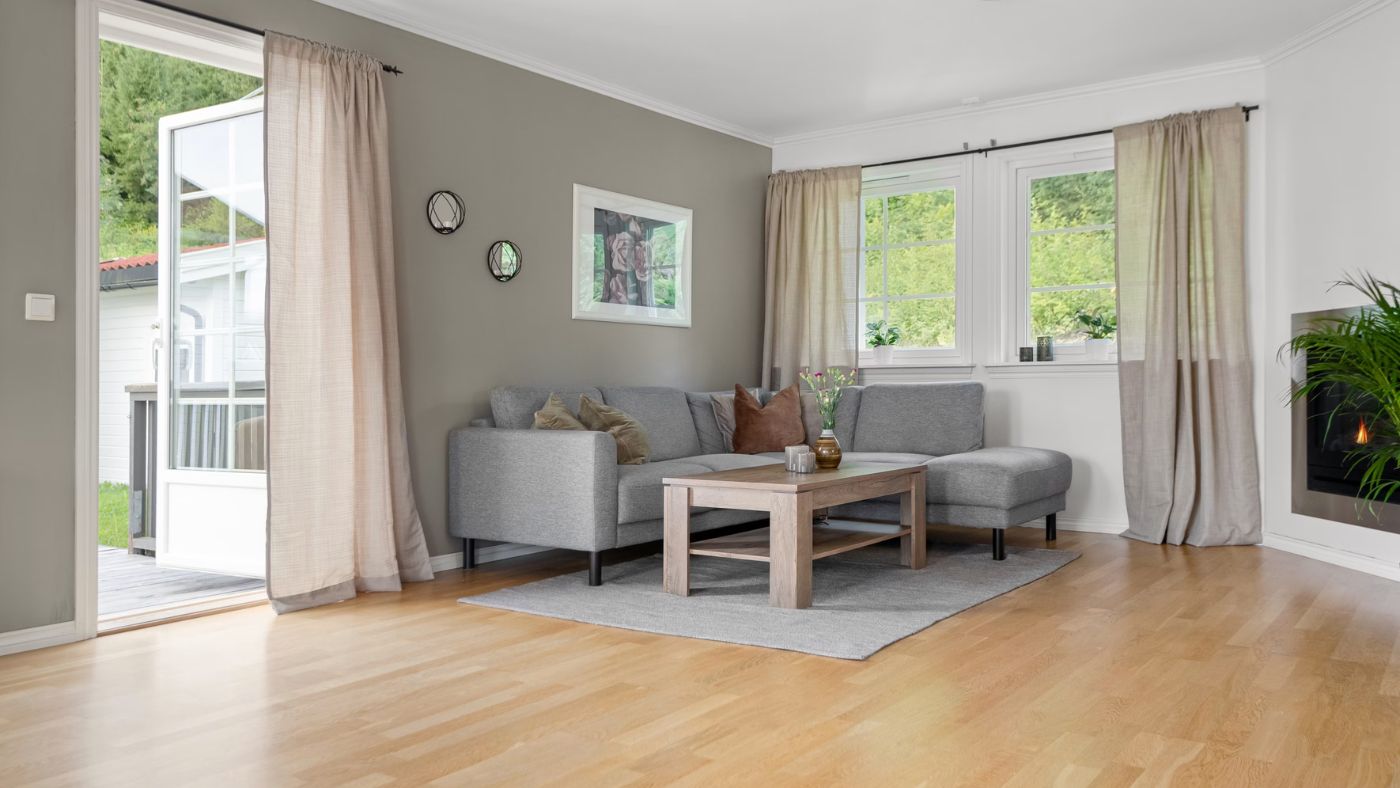
4. Visual Matrix: Lacquer vs. UV Oil vs. Brushed UV Oil
Finish Maintenance & Durability Matrix
| Maintenance Factor | Lacquered (Polyurethane) | Smooth UV-Oiled | Brushed UV-Oiled |
|---|---|---|---|
| Liquid Spill Resistance | Maximum (Sealed film) | Moderate (Prompt wiping needed) | Moderate (Prompt wiping needed) |
| Visual Scratch Resistance | Poor (Shows white marks) | Moderate (Blends slightly) | Excellent (Texture hides wear) |
| Spot-Repairability | Zero (Requires full room sand) | 100% (Local sand & re-oil) | 100% (Local sand & re-oil) |
| Daily Cleaning Ease | Easy (Any damp mop) | Specialised (Needs pH neutral soap) | Specialised (Needs vacuuming & soap) |
| Best Application | Adult homes, commercial dining | High-end residential, low traffic | Pets, large families, kitchens |
5. The Verdict: Which is Actually Easier?
The answer depends entirely on your definition of “maintenance.”
If your primary goal is effortless daily cleaning and you want to be able to spill a glass of water without panicking, Lacquered is the easiest finish. It requires zero technical knowledge to mop and sweep.
However, if your definition of maintenance is focused on long-term stress reduction and avoiding the massive disruption and cost of hiring floor sanders in five years’ time, Brushed UV-Oiled is unequivocally the winner. It actively hides the reality of daily life (dog claws, high heels, dropped keys) and empowers the homeowner to seamlessly fix the few scratches that do become visible.
Frequently Asked Questions (FAQs)
1. Which finish is best for dogs and pets? A Brushed UV-Oiled finish is universally recommended for households with pets. The wire-brushed texture naturally camouflages the micro-scratches caused by dog claws, and the oiled surface prevents the floor from becoming too slippery, providing better traction for your pets.
2. Can I use a steam mop on lacquered or oiled engineered floors? Absolutely not. Steam mops are strictly forbidden on all engineered wood floors, regardless of the finish. The superheated water vapour will penetrate the micro-fissures in lacquer or oil, delaminate the timber veneers, and permanently ruin the floor’s core structure.
3. How do I fix a deep scratch on a lacquered floor? Because you cannot spot-sand lacquer, you have two options. For minor visual repairs, you can use a colour-matched hard wax floor repair kit to fill the gouge. For widespread scratching, the entire floor must be mechanically sanded down to the raw timber and fully re-lacquered.
4. How do I fix a scratch on a UV-oiled floor? Spot repairing is easy. Lightly rub the scratched area with a fine-grit sandpaper (around 120-150 grit) following the direction of the grain. Once the scratch is smoothed out, apply a few drops of a matching maintenance oil with a lint-free cotton cloth. Let it cure, and it will blend in perfectly.
5. Do UV-oiled floors need to be recoated every year? No. Unlike natural, air-dried oils that oxidise and break down rapidly, factory UV-cured oils are highly polymerised and durable. Depending on traffic, a residential UV-oiled floor typically only requires a light top-up coat of maintenance oil every 3 to 5 years.
6. Why is my lacquered floor looking dull and cloudy? A cloudy lacquered floor is rarely a sign of finish failure; it is usually caused by residue build-up. Using supermarket floor cleaners containing heavy waxes, silicones, or acrylics will leave a micro-film on the polyurethane that traps dirt and creates a dull, milky appearance. A professional degreasing deep-clean is required.
7. Can I put a lacquer over an oiled floor to make it waterproof? No. Polyurethane (lacquer) will not chemically adhere to a surface that has been impregnated with oil; it will simply peel off. To change from an oiled floor to a lacquered floor, the planks must be aggressively sanded down to raw, un-oiled wood.
8. Is a brushed floor harder to keep clean than a smooth floor? Slightly. The textured valleys created by the wire-brushing process can catch fine dust and mud particles. Rather than using a dry microfibre sweeper (which is perfect for smooth lacquer), a brushed floor benefits most from regular vacuuming to lift dirt out of the grain before mopping.
9. What does “Aluminium Oxide” mean in a lacquered finish? Aluminium oxide is an incredibly hard microscopic particulate (second only to diamonds in hardness) that is mixed into modern polyurethane lacquers during manufacturing. It drastically increases the floor’s resistance to abrasion and foot traffic compared to traditional varnishes.
10. Which finish is safest for a kitchen environment? Lacquered finishes provide the highest immediate resistance to liquid spills, making them highly popular for kitchens. However, Brushed UV-Oiled floors are also excellent in kitchens because if a heavy pan is dropped, denting the floor, the damage blends into the rustic texture, whereas it would severely shatter a lacquered surface.

0 Comments