
TL;DR:
Choosing between Oak and Walnut comes down to your household activity levels and design goals. Oak is a dense, highly durable hardwood (Janka 1,360 lbf) featuring a linear grain and pale tones that serve as an incredibly versatile, scratch-forgiving canvas for busy, high-traffic homes. Walnut is a softer, premium luxury timber (Janka 1,010 lbf) that showcases rich, deep chocolate tones and fluid cathedral swirls, making it a striking design statement best suited for formal spaces, primary bedrooms, or lower-traffic households.
Selecting a premium hardwood floor is one of the most significant design choices you will make for your property. The timber underfoot establishes a home’s architectural tone, dictates how natural light behaves, and influences your entire interior styling palette.
When it comes to premium real wood flooring, two species stand out above the rest: Oak and Walnut. While both timbers represent a substantial investment that adds genuine value to your property, they sit at opposite ends of the design spectrum.
This definitive guide provides an in-depth comparison of Oak and Walnut across five critical pillars: aesthetic identity, grain structure, structural durability, light reactivity, and interior styling compatibility.
1. The Aesthetic Profiles: Tone and Atmosphere
The choice between Oak and Walnut ultimately comes down to a choice between versatility and drama.
Real Oak: The Bright, Adaptable Canvas
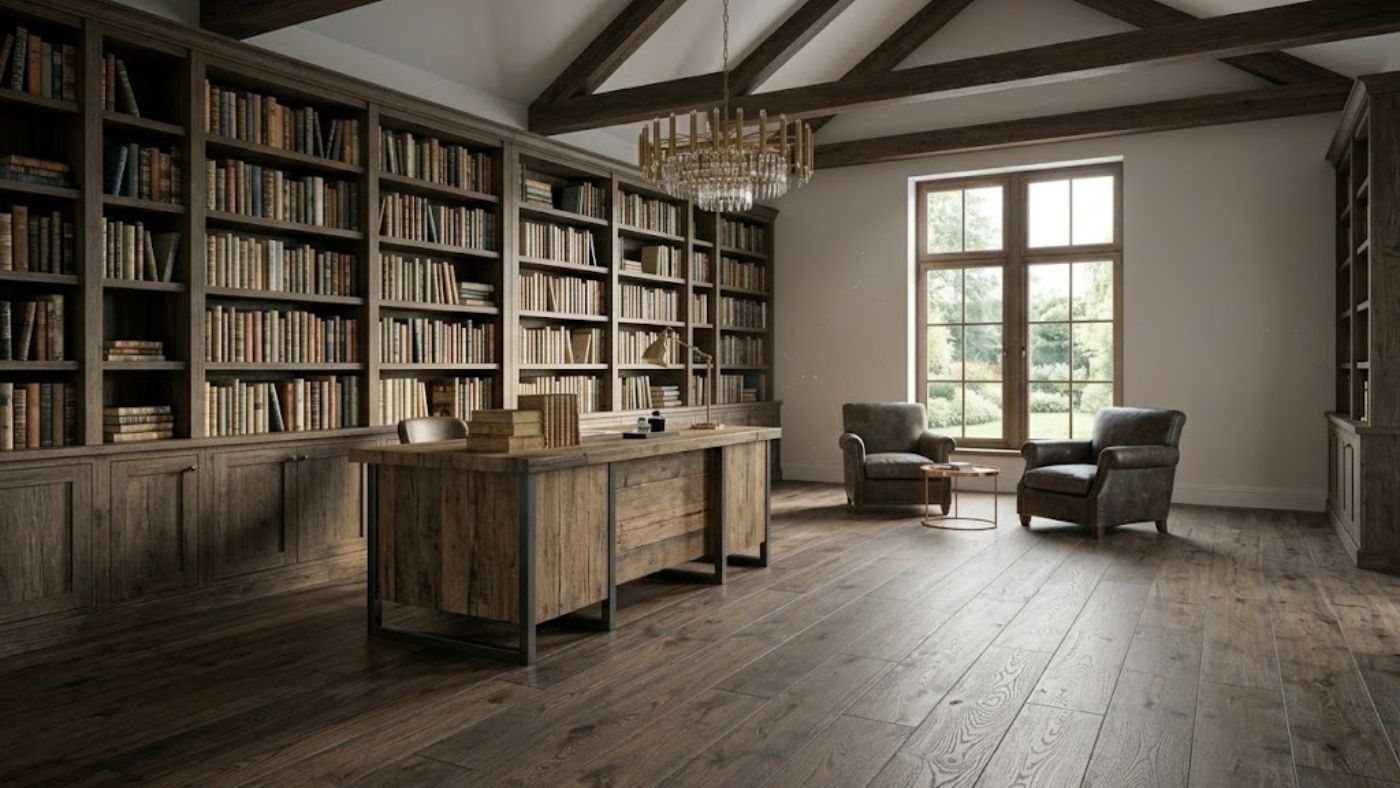
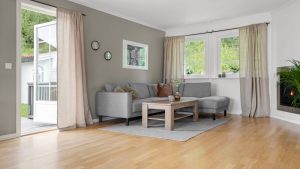
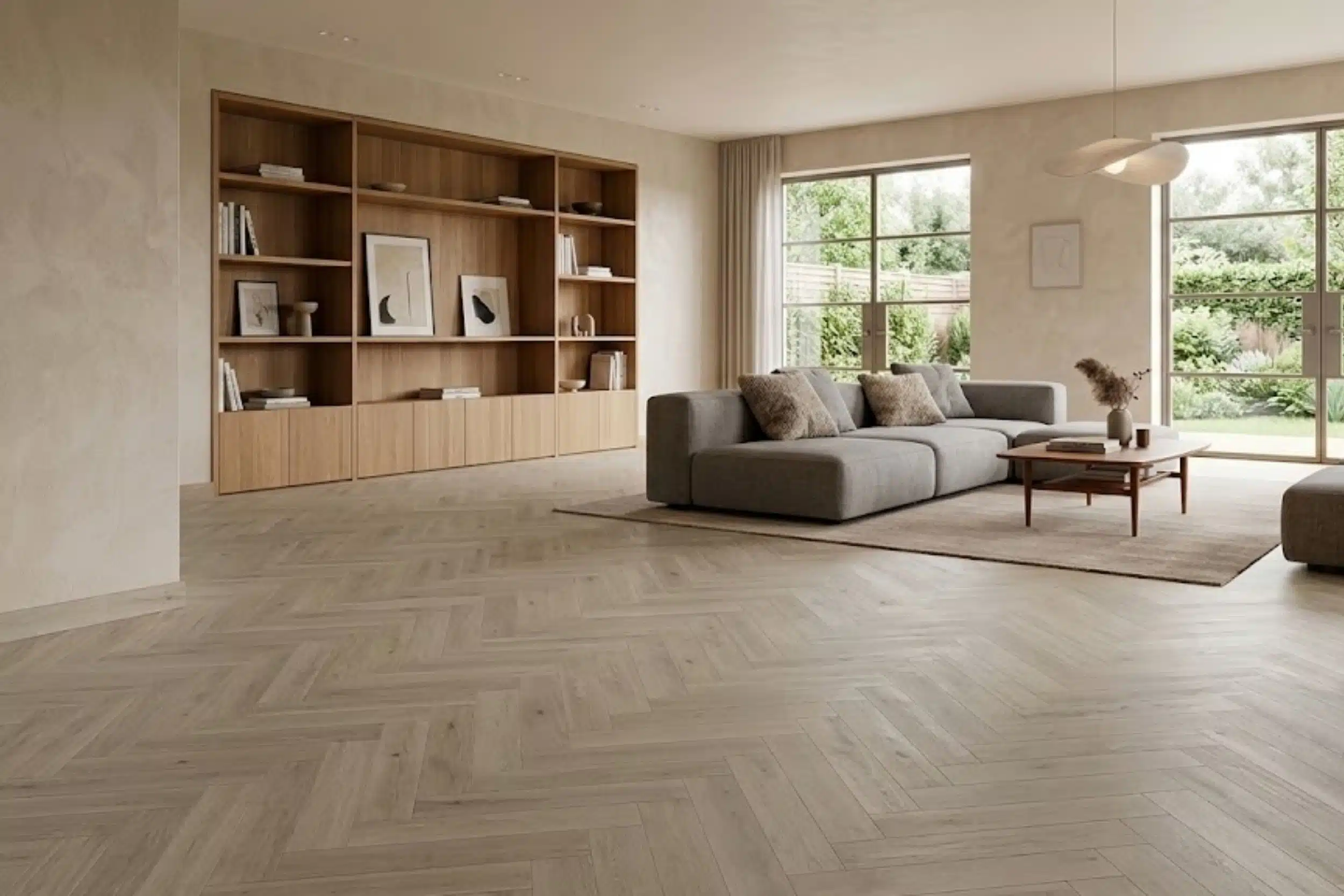
Natural, unfinished Oak is celebrated for its pale golden-brown, biscuit, and straw-like undertones. It acts as a neutral base that harmonises effortlessly with changing trends.
Because Oak features a naturally low concentration of dark tannins in its outer sapwood, it is highly receptive to staining, smoking, and oiling treatments. Whether you want a cool Scandinavian whitewash, a weathered grey, or a rich antique brown, Oak can be altered to match your exact vision.
American Walnut: The Luxurious, Deep Masterpiece
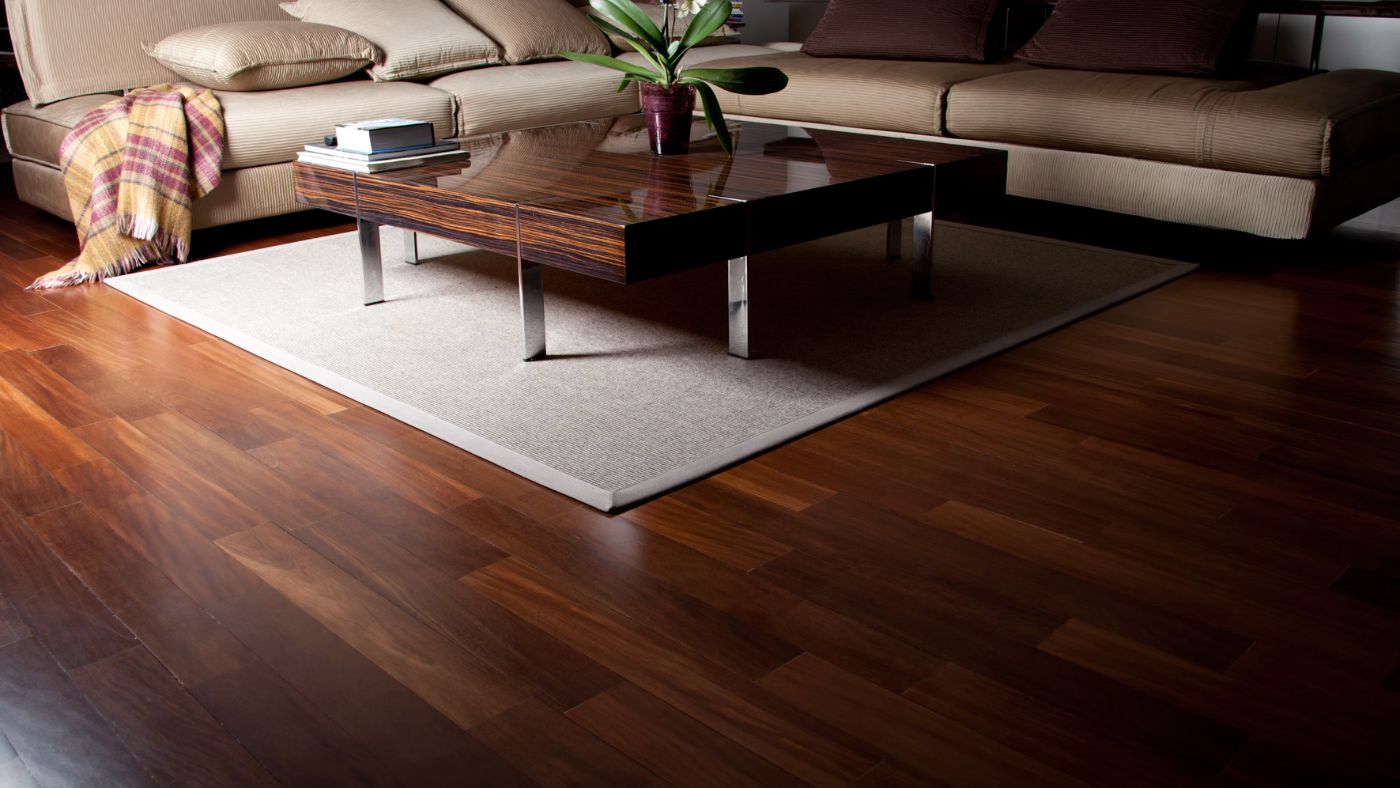
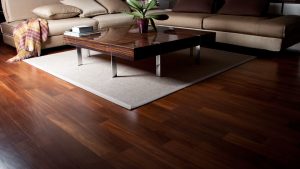
Walnut is a luxury timber defined by its rich, deep chocolate browns, smoky charcoal undertones, and occasional hints of auburn or purplish-black.
Unlike Oak, which is often manipulated with stains, Walnut is almost always finished raw or clear-coated to preserve its striking, deep colour. A Walnut floor brings an immediate sense of moodiness, warmth, and high-end sophistication, making any room feel like an executive suite or a high-end architectural retreat.
2. Grain Structure and Visual Patterning
The way a tree grows dictates the patterning across your floorboards. The visual texture of your floor plays a major role in how busy or calm a room feels.
Oak Grain:   || | ) ) || ( ( | ||  <- Prominent, straight, open grain with strong texture
Walnut Grain: ~ ~ ( ( 🌀 ) ) ~ ~  <- Swirling, fluid cathedral peaks and large burl patterns
-
Oak Grain (Linear and Textured): Oak features an open, straight grain pattern with a coarser texture. It is visually distinct, often showing prominent growth rings, occasional medullary rays (beautiful, tiger-stripe flecks that catch the light), and a classic, structured look. It provides excellent surface traction and hides micro-scratches exceptionally well.
-
Walnut Grain (Fluid and Dramatic): Walnut boasts a much tighter, closed grain structure but displays incredibly fluid, sweeping curves, “cathedral peaks,” and large curls. The contrast between the dark heartwood (the center of the tree) and the creamy-white sapwood (the outer edge) creates a striking, artistic floor map that commands attention.
3. Structural Integrity: Janka Hardness and Durability
If you have a busy home with children, pets, or high foot traffic, understanding the physical hardness of your flooring is vital. The flooring industry measures timber density using the Janka Hardness Test, which measures the force required to embed a small steel ball halfway into a piece of wood.
| Wood Species | Janka Hardness Rating | Performance in Busy Households |
| European / White Oak | 1,360 lbf (6,050 N) | High resistance to dents; coarse grain masks wear and tear effortlessly. |
| American Walnut | 1,010 lbf (4,490 N) | Softer timber; requires care; smooth surface shows indentations more readily. |
Oak is a significantly denser, harder wood than Walnut. Its rugged cellular composition makes it resilient against dropped kitchen items, dragging furniture, and pet claws.
Walnut, while structurally stable and resistant to warping, is a softer wood. It can dent or scratch more easily under high impact. For this reason, Walnut is best suited for lower-traffic areas, primary bedrooms, formal dining spaces, or households where shoes are removed at the door.
4. Light Sensitivity and Aging Characteristics
All natural timbers are photosensitive and react to the ultraviolet (UV) rays in sunlight, but Oak and Walnut age in completely opposite directions.
How Oak Ages
Over years of sun exposure, light Oak flooring undergoes ambering. Its pale, straw-like tones gradually deepen into a richer, warmer honey-gold. This aging process is generally slow and predictable.
How Walnut Ages
Walnut behaves uniquely under sunlight: it undergoes photodegradation, meaning it lightens over time. A rich, dark chocolate Walnut floor exposed to intense sun will gradually mellow into a golden-honey brown.
To preserve Walnut’s deep, dark tones, it is essential to use UV-inhibiting finishes, place sheer curtains over large south-facing windows, and periodically move rugs to avoid distinct tan lines on your floor.
5. Interior Design Pairing Rules
To unlock the full potential of your chosen species, your flooring should complement your walls, cabinetry, and furniture.
Frequently Asked Questions
Q1: Is Oak or Walnut flooring more expensive in the UK market?
Walnut flooring is consistently more expensive than Oak. Walnut trees grow much slower, have smaller trunk yields, and are less abundant than Oak forests. This limited supply, combined with high global demand for its unique color, places Walnut in a luxury tier, often costing 30% to 50% more per square meter than standard Oak.
Q2: Can both Oak and Walnut floors be installed over underfloor heating?
Yes, provided you choose an engineered wood format. Engineered Oak and engineered Walnut are highly dimensionally stable because their cross-ply backing layers counteract thermal movement. Solid wood boards of either species should not be used over underfloor heating, as they are highly prone to shrinking, drying out, and gapping.
Q3: Which species is a better choice if I have large, active dogs?
Oak is the clear winner for households with large pets. Not only is Oak denser and more scratch-resistant on the Janka scale (1,360 lbf vs 1,010 lbf), but its pronounced, textured grain pattern is incredibly forgiving. It easily hides minor claw marks, hair, and dust, whereas Walnut’s smooth surface and dark color highlight surface scratches and dust much more visibly.
Q4: Can I stain Oak to look exactly like Walnut?
You can stain Oak a dark chocolate brown to mimic Walnut’s color palette, but it will never look exactly the same because of their different grain shapes. Oak has long, prominent, linear grain ridges, while Walnut has fluid, sweeping cathedral swirls and a smoother texture. A dark-stained Oak floor is a fantastic, budget-friendly alternative, but it retains its distinct Oak character.
Q5: How do I prevent my Walnut flooring from turning yellow or fading?
To minimize Walnut fading, ensure your flooring is coated with a finish containing UV inhibitors or stabilisers, which act like sunscreen for the wood. Additionally, use rugs or curtains to diffuse direct, harsh sunlight through large windows, and occasionally rearrange your furniture to ensure the floor ages evenly.
Q6: What is the best daily cleaning method for these premium wood floors?
For both species, use a dry microfiber mop daily to remove abrasive grit and dust that can scratch the finish. For deeper cleaning, use a spray mop that is barely damp paired with a pH-neutral, specialized wood floor cleaner. Never use steam mops, household detergents, or dripping wet mops, as standing water will damage the timber.
Q7: What wood grading should I select for a modern, minimalist aesthetic?
For a clean, minimalist design, select a Prime Grade (sometimes called Select or Clear). Prime grade boards are cut from the center of the tree, resulting in minimal color variation and very few, tiny knots. This keeps the floor looking clean and uniform, which is ideal for modern spaces.
Q8: Can Walnut flooring be sanded down and refinished just like Oak?
Yes, both engineered and solid versions can be sanded and refinished. If you choose engineered flooring, ensure it has a real wood wear layer of 4mm or more. This thickness allows the floor to be professionally sanded and re-sealed 3 to 4 times over its lifespan, enabling you to completely refresh the floor over its 50+ year life.
Q9: Which wood species offers better long-term resale value for a home?
Both add substantial value compared to synthetic alternatives like laminate or luxury vinyl tiles (LVT). Oak offers broad appeal due to its neutral look and versatility, making it highly attractive to a wide pool of buyers. Walnut, on the other hand, adds an exclusive, high-end luxury feel that can significantly elevate a premium property’s listing appeal.
Q10: Are Oak and Walnut floors environmentally friendly and sustainable?
They are highly eco-friendly if you verify their sourcing. Always check that your supplier holds valid FSC (Forest Stewardship Council) or PEFC certification. This third-party documentation guarantees that your timber was legally and ethically harvested from a managed forest where trees are actively replanted to preserve the surrounding ecosystem.












0 Comments