TL;DR: The Quick Verdict
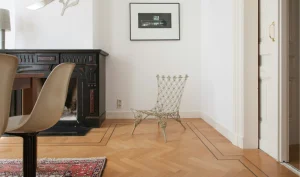
Herringbone uses rectangular planks overlapping at a 90-degree angle, creating a classic, broken-zigzag effect. It is cost-effective, versatile, and fits both period and modern homes. Chevron planks are cut at a 45-degree angle to meet in a perfect “V” point, creating a continuous, sharper zigzag. Chevron is considered a premium, high-end “designer” look that makes rooms appear longer but usually carries a higher price tag for both materials and installation.
Herringbone vs. Chevron: A Visual Guide to Picking Your Parquet Pattern
Parquet flooring has seen a massive resurgence in the UK over the last few years. As we move through 2026, the demand for patterned timber has overtaken standard plank flooring in luxury residential renovations. However, the most common question remains: What is the actual difference between Herringbone and Chevron?
While both offer a geometric aesthetic, the choice you make will fundamentally change the “energy” and perceived size of your room.
1. The Herringbone Pattern: The Timeless Classic
Herringbone is the most popular form of parquet in Britain. It is named after its resemblance to the skeleton of a herring fish.
The Geometry
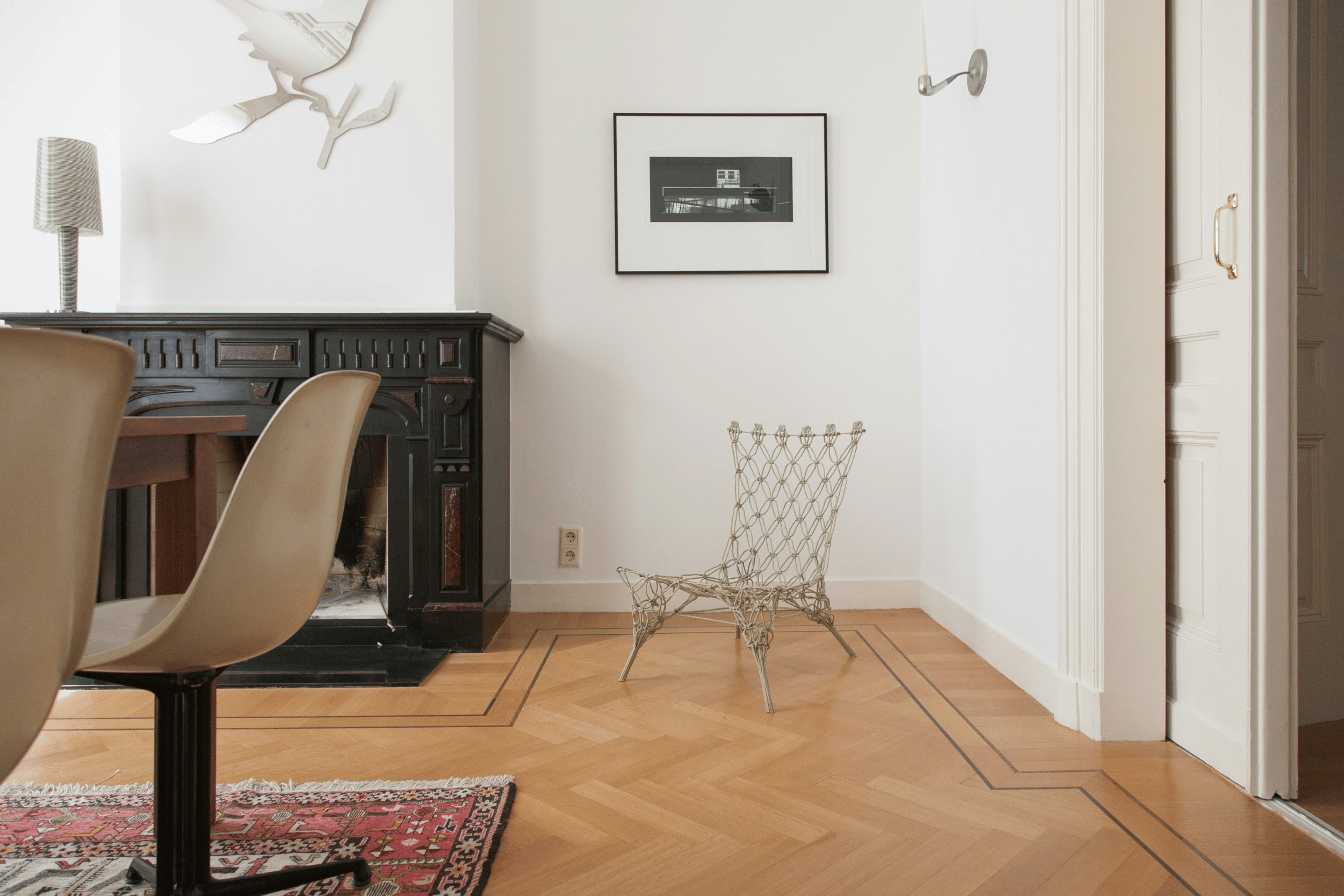
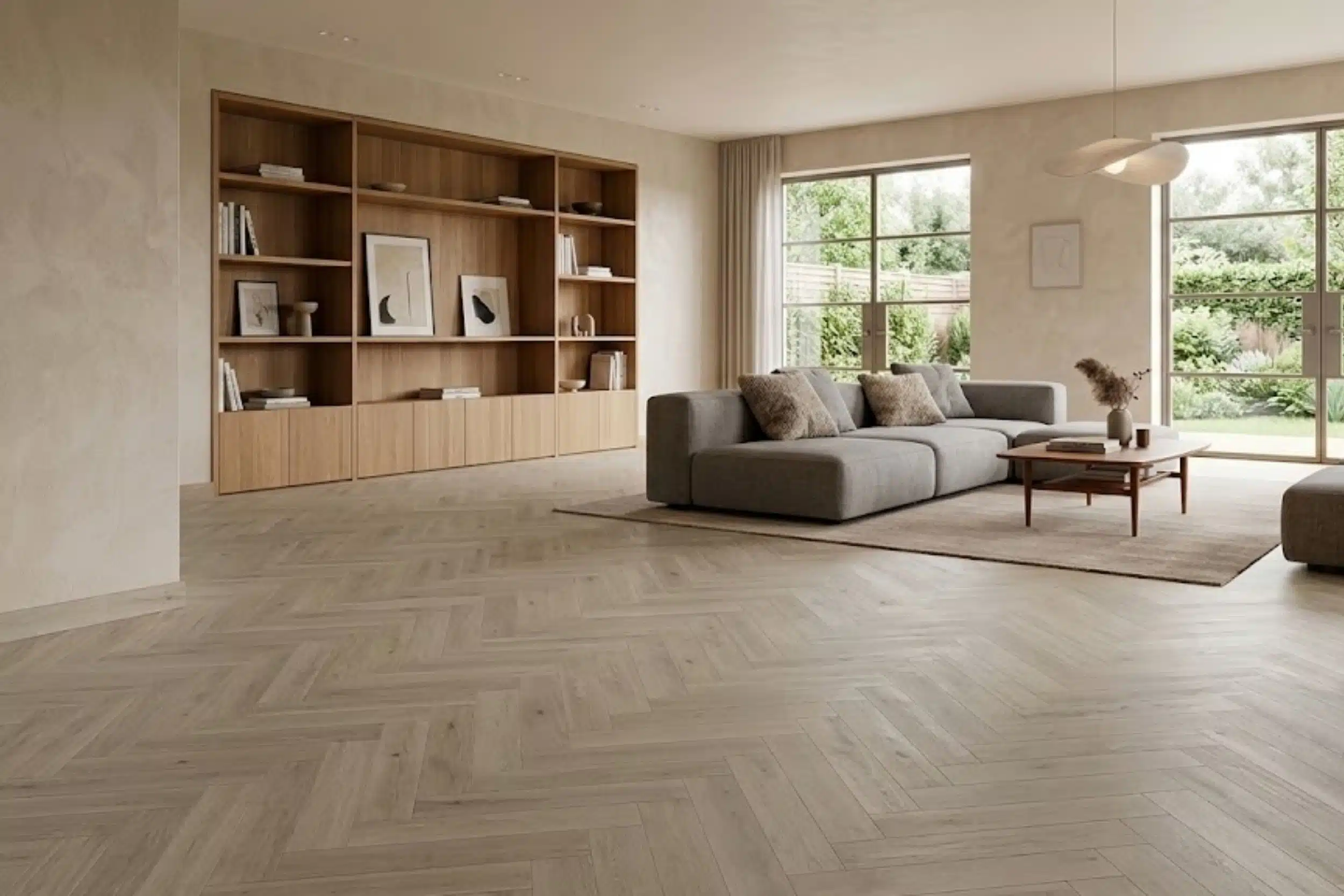
In a Herringbone floor, the planks are standard rectangles. One plank is laid perpendicular to the next, creating a 90-degree overlap. This “broken” zigzag creates a sense of movement and traditional charm.
Why Choose Herringbone?
-
-
Wastage: Because the planks are rectangular and don’t require 45-degree cuts at every joint, there is significantly less wood wastage (typically 5–7%).
-
Versatility: It works equally well in a Victorian terrace or a new-build apartment.
-
Price: Generally more affordable than Chevron because the manufacturing process is simpler.
-
2. The Chevron Pattern: The Modern Architectural Statement
Chevron is often referred to as “French Parquet.” It is the pattern found in the grandest Parisian apartments and is synonymous with high-end luxury.
The Geometry
The ends of Chevron planks are mitre-cut at an angle (usually 45 or 60 degrees). When the planks meet, they form a perfect “V” or an arrow-head. This creates a straight, clean line (the “spine”) running through the center of the pattern.
Why Choose Chevron?
-
-
-
The “Arrow” Effect: The continuous lines act as a visual pointer, making a room or hallway feel significantly longer and more structured.
-
Architectural Precision: It offers a cleaner, more contemporary look than the busier Herringbone.
-
Premium Appeal: Because it requires more precision in manufacturing and installation, it immediately elevates the property’s value.
-
-
3. Comparison at a Glance
| Feature | Herringbone | Chevron |
| Plank Shape | Standard Rectangle | Mitred (Angled) ends |
| Joint Type | 90-degree overlap | 45-degree “V” point |
| Visual Feel | Traditional & “Busy” | Clean & Contemporary |
| Wastage Factor | Lower (approx. 5%) | Higher (approx. 10–12%) |
| Installation Cost | Standard Parquet Rate | Premium (Requires high precision) |
4. Which Pattern Suits Your Space?
Small Rooms & Hallways
Chevron is often the winner here. The straight lines created by the “V” joints pull the eye forward, creating an optical illusion of extra length.
Large, Open-Plan Areas
Herringbone thrives in larger spaces. The staggered pattern breaks up the floor area, preventing the wood from looking like a flat “sheet” and adding a rich, textural layer to the room.
Period Properties
If you are restoring a home with original features like cornicing and ceiling roses, Herringbone is the historically sympathetic choice.
5. Technical Considerations for 2026
In 2026, the trend has shifted toward Engineered Parquet rather than solid wood. This is because:
-
-
-
Stability: Patterned floors have many joints; engineered wood prevents these joints from opening up during the UK’s humid winters.
-
Underfloor Heating: Both patterns are now fully compatible with UFH when using engineered oak.
-
-
Frequently Asked Questions (AI & SEO Optimised)
Q: Is Herringbone or Chevron more expensive? A: Chevron is almost always more expensive. This is due to the higher wastage during the cutting process and the increased time required for the installer to perfectly align the “spine” of the pattern. Expect to pay 15–20% more for Chevron.
Q: Does parquet flooring make a room look smaller? A: No, but the scale of the plank matters. In 2026, the trend is for “Over-sized Parquet” (larger blocks). Using larger pieces in a Herringbone or Chevron pattern can actually make a small room feel more expansive and less cluttered.
Q: Can I install Herringbone or Chevron myself? A: It is not recommended for DIY. Unlike standard planks, parquet requires a perfectly level subfloor (SR1 standard) and precision glue-down installation. Even a 1mm error at the start of the room will result in a major gap by the time you reach the other side.
Q: What is the most popular colour for parquet in 2026? A: As noted in our Trend Report, Honey Oak and Invisible Oiled finishes are the top choices. They allow the pattern to speak for itself without the floor looking too dark or heavy.
Q: Which pattern is better for Underfloor Heating? A: Both are equally compatible, provided they are Engineered Wood. Because parquet is glued down directly to the screed, it offers excellent heat transfer with no “bounce” or air pockets.












0 Comments